Fensie Design System
For the Ministry of Defence, I designed and implemented a robust design system that is now integrally deployed throughout the entire organization. This system, carefully based on the design principles and corporate identity guidelines of the Dutch Government (the 'Rijkshuisstijl'), ensures consistency, efficiency, and a uniform user experience across various applications.
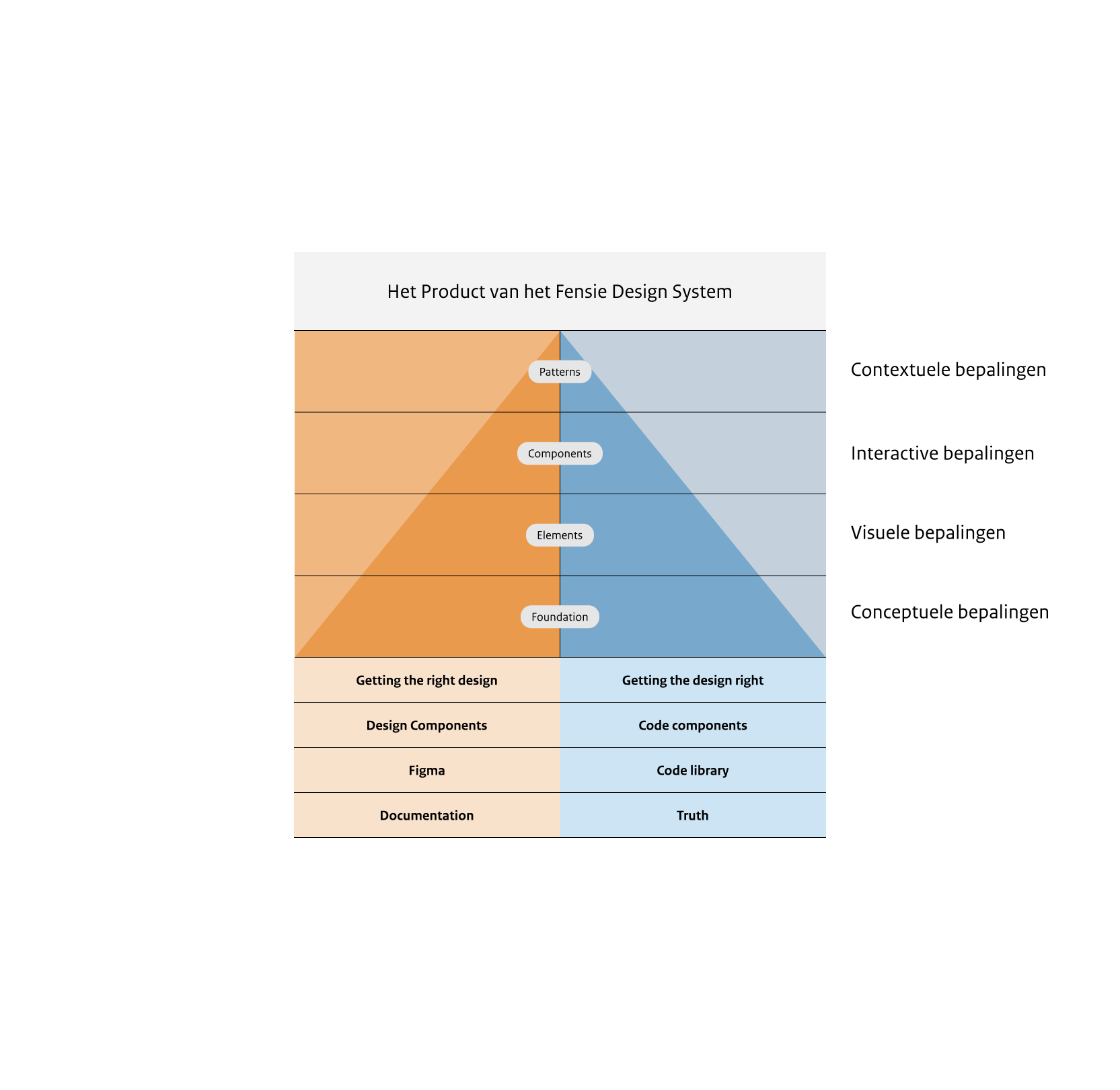
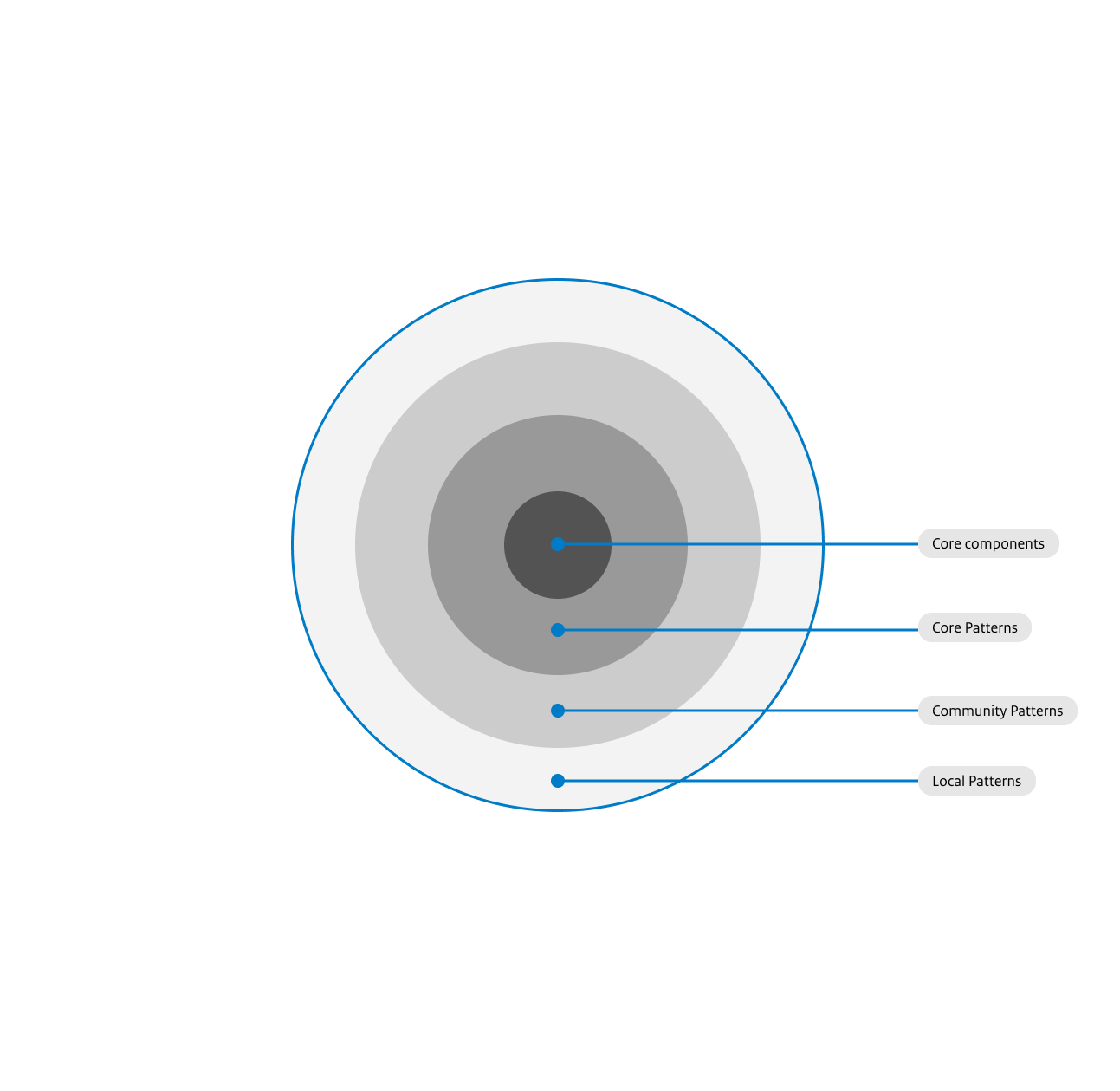
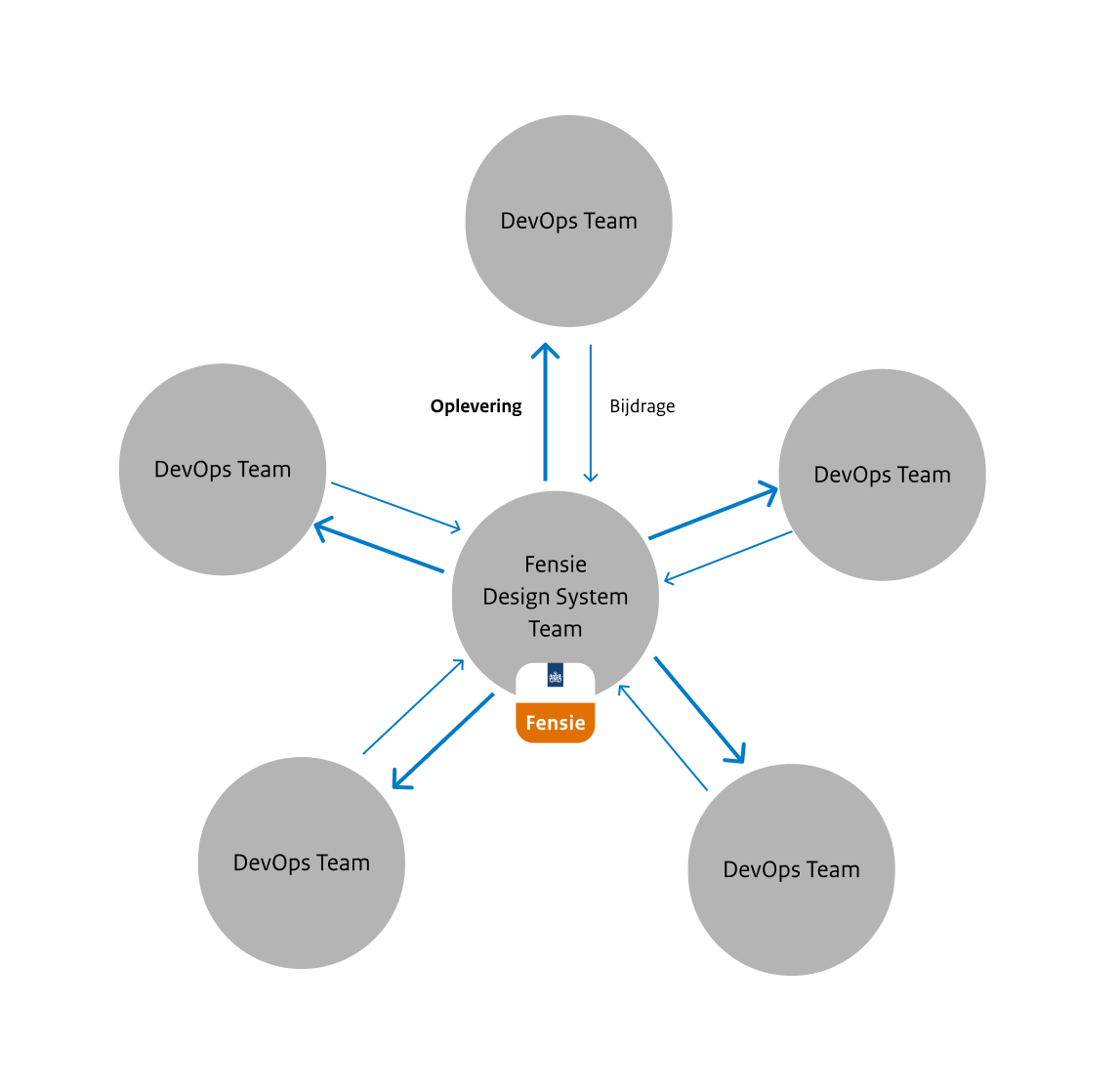
With a single source of truth as its foundation, the Design System is designed to seamlessly align Design and Development. This is achieved through a standardized, modular model that promotes scalability. Depending on the specific use case and the context of the requesting team, contributions are either made in a decentralized manner or developed centrally by the Design System team — always with the goal of achieving the most optimal and consistent solution.
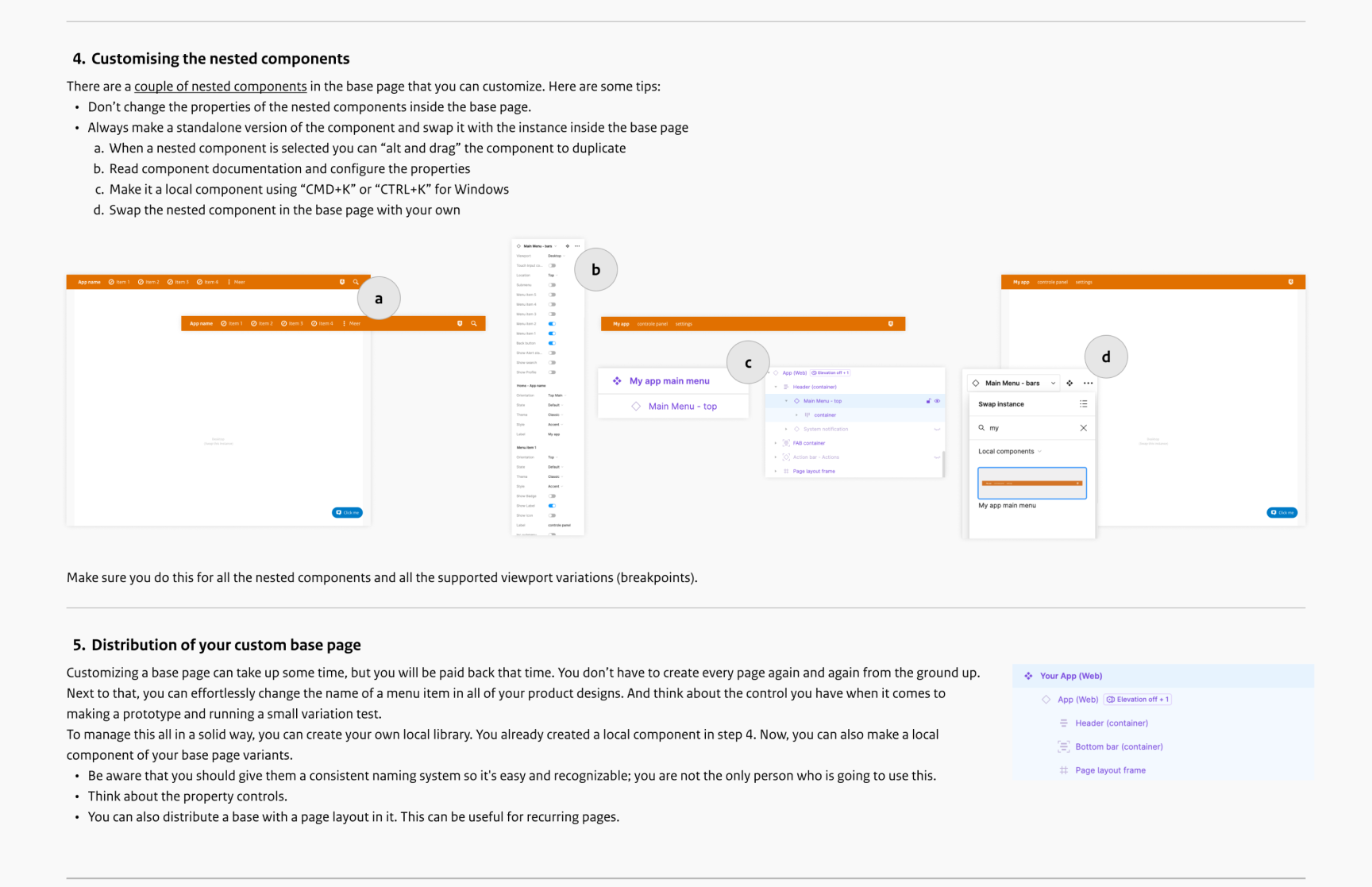
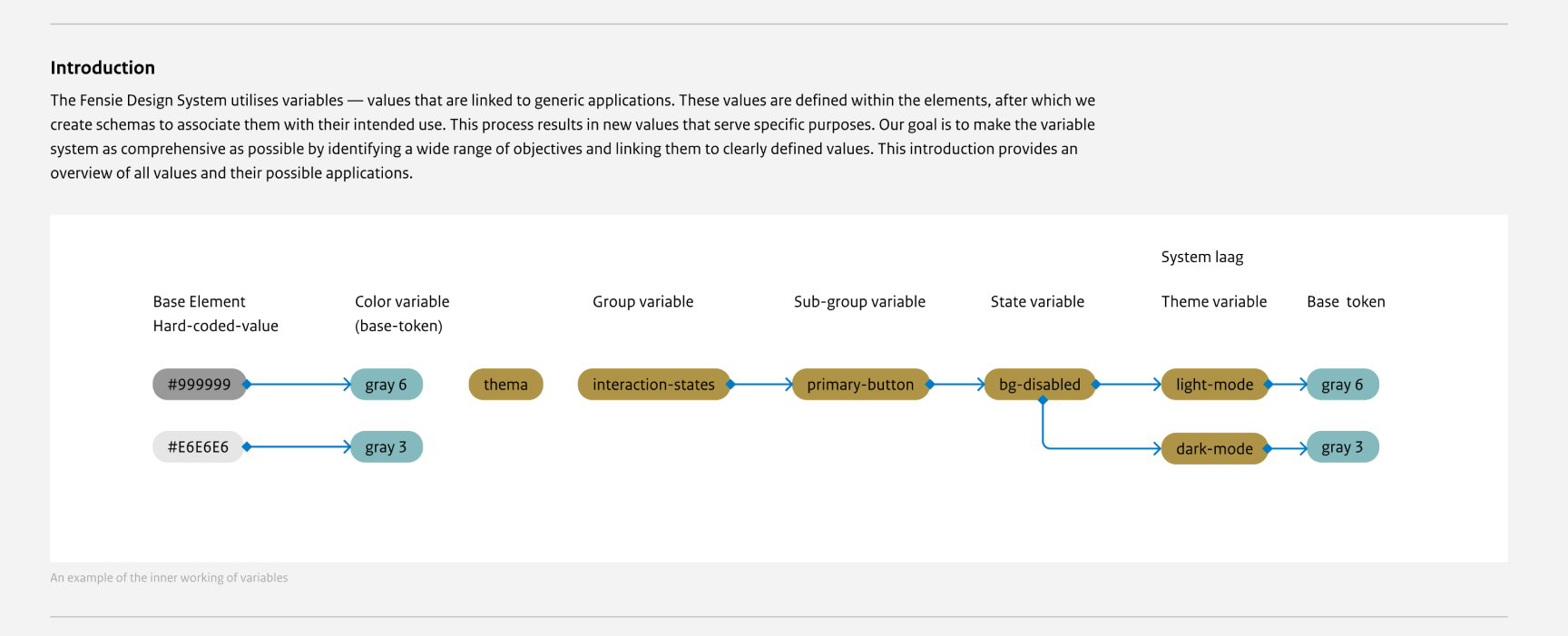
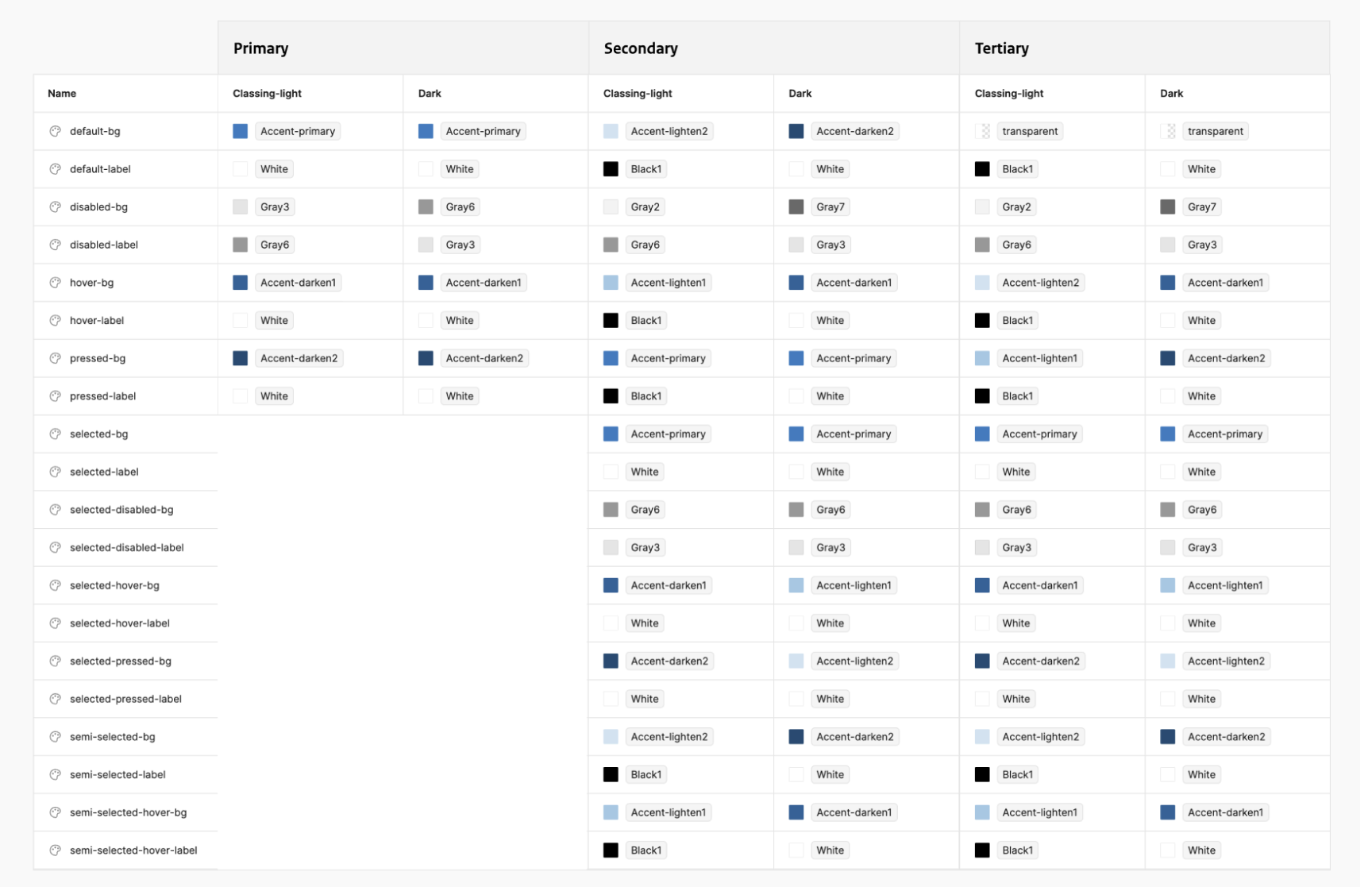
Thanks to the well-thought-out architecture of design tokens, the national corporate identity has been implemented with ease.
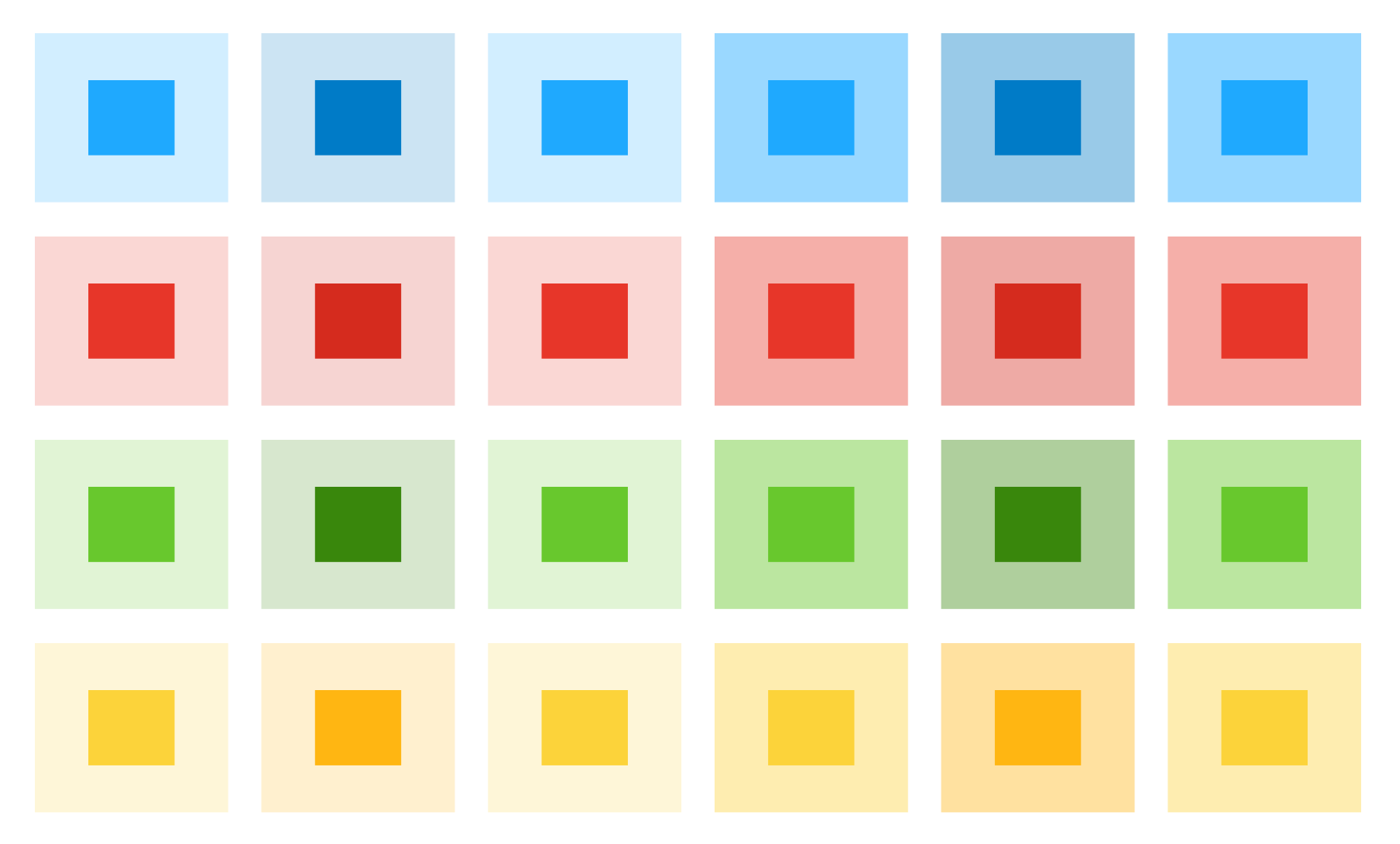
Designers and front-end developers are always focused on making the interface accessible to every user. This works most smoothly when the design system has already addressed all the generic accessibility issues. That’s why we test all components based on the WCAG 2.1 standards.
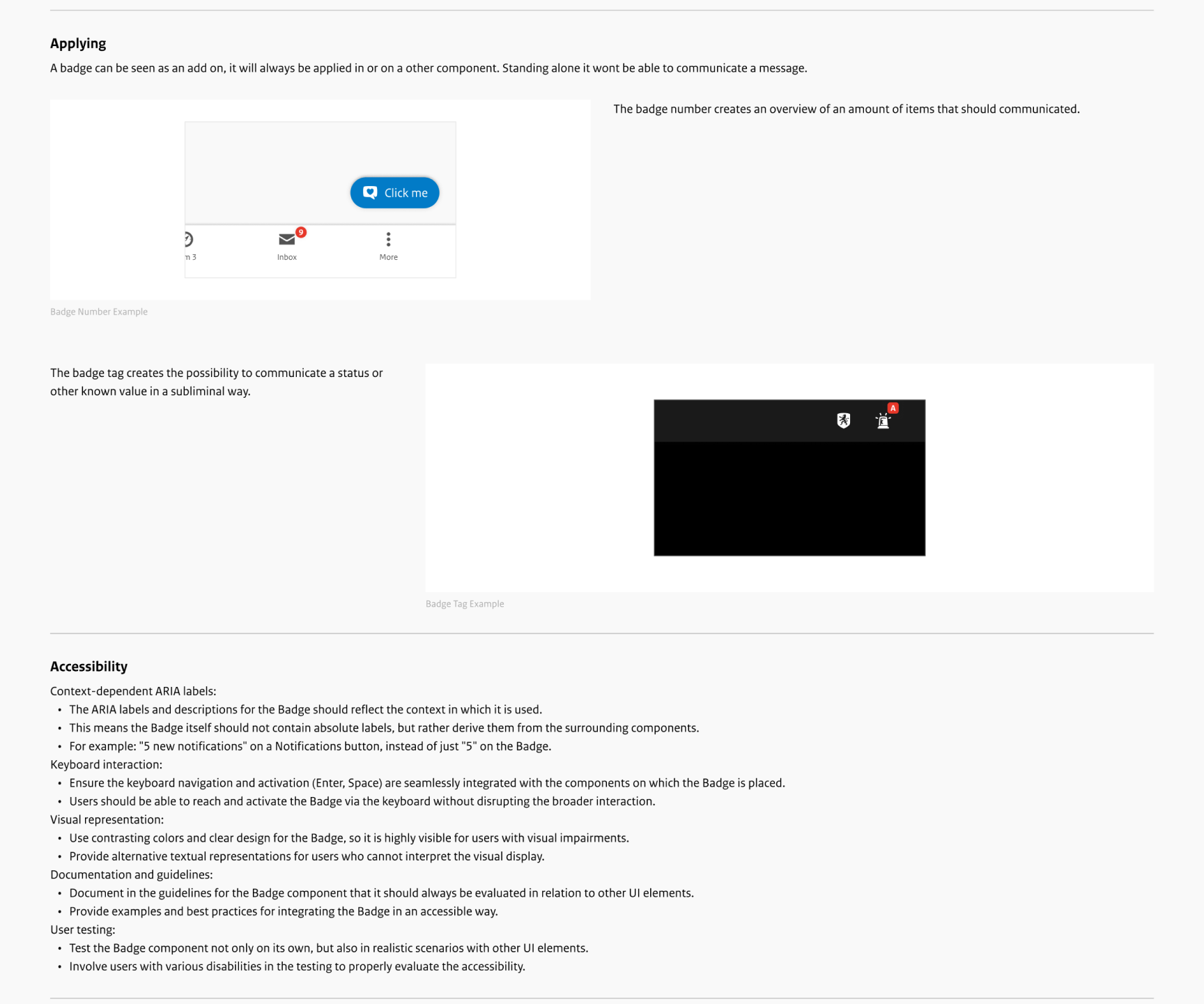
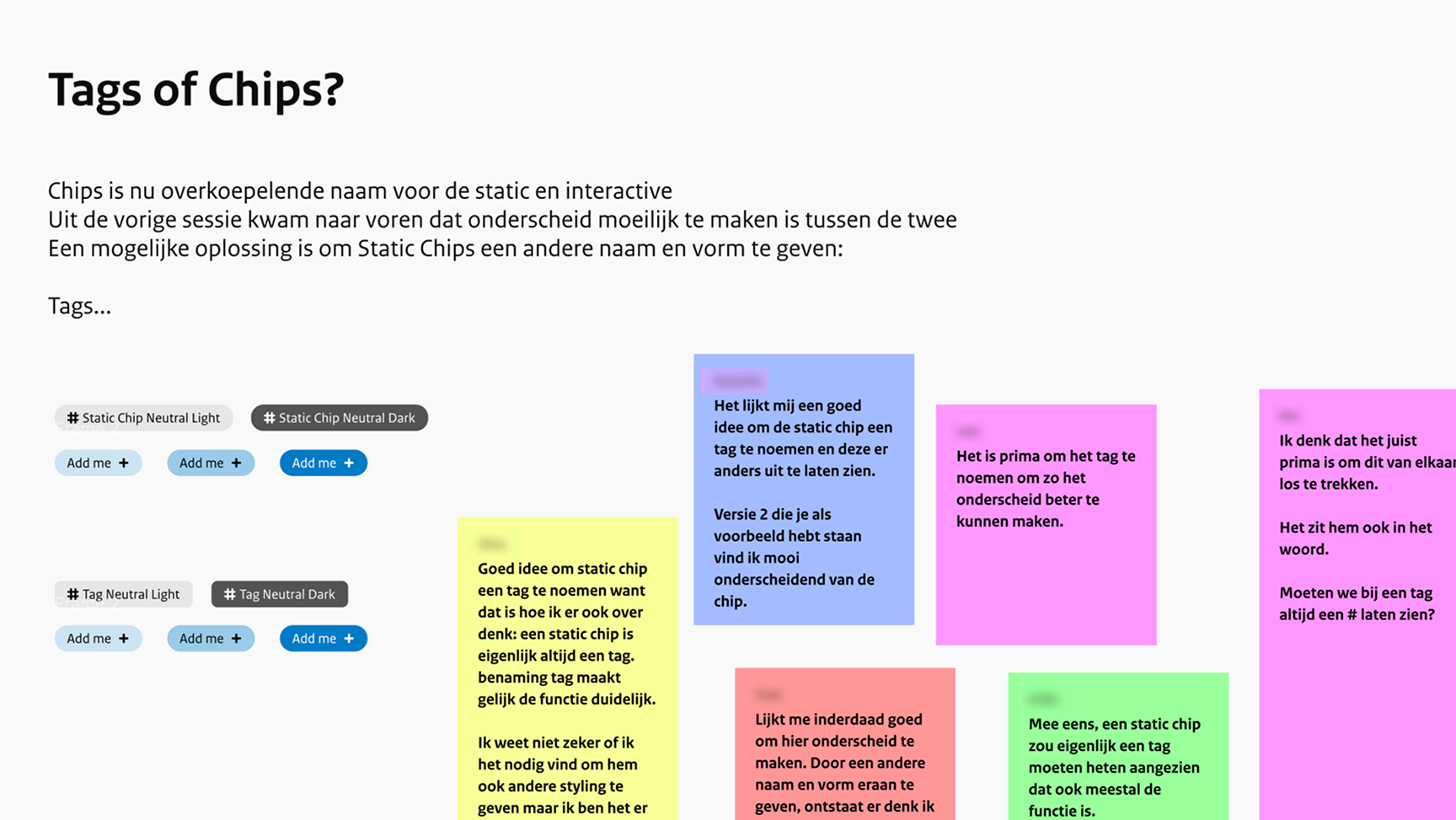
In collaborative sessions with designers, a generic solution was developed that covers the main use cases. At a later stage, components and patterns were tested through a prototype or in production. This allowed bugs and areas for improvement to be identified, and the generic component or pattern was refined.
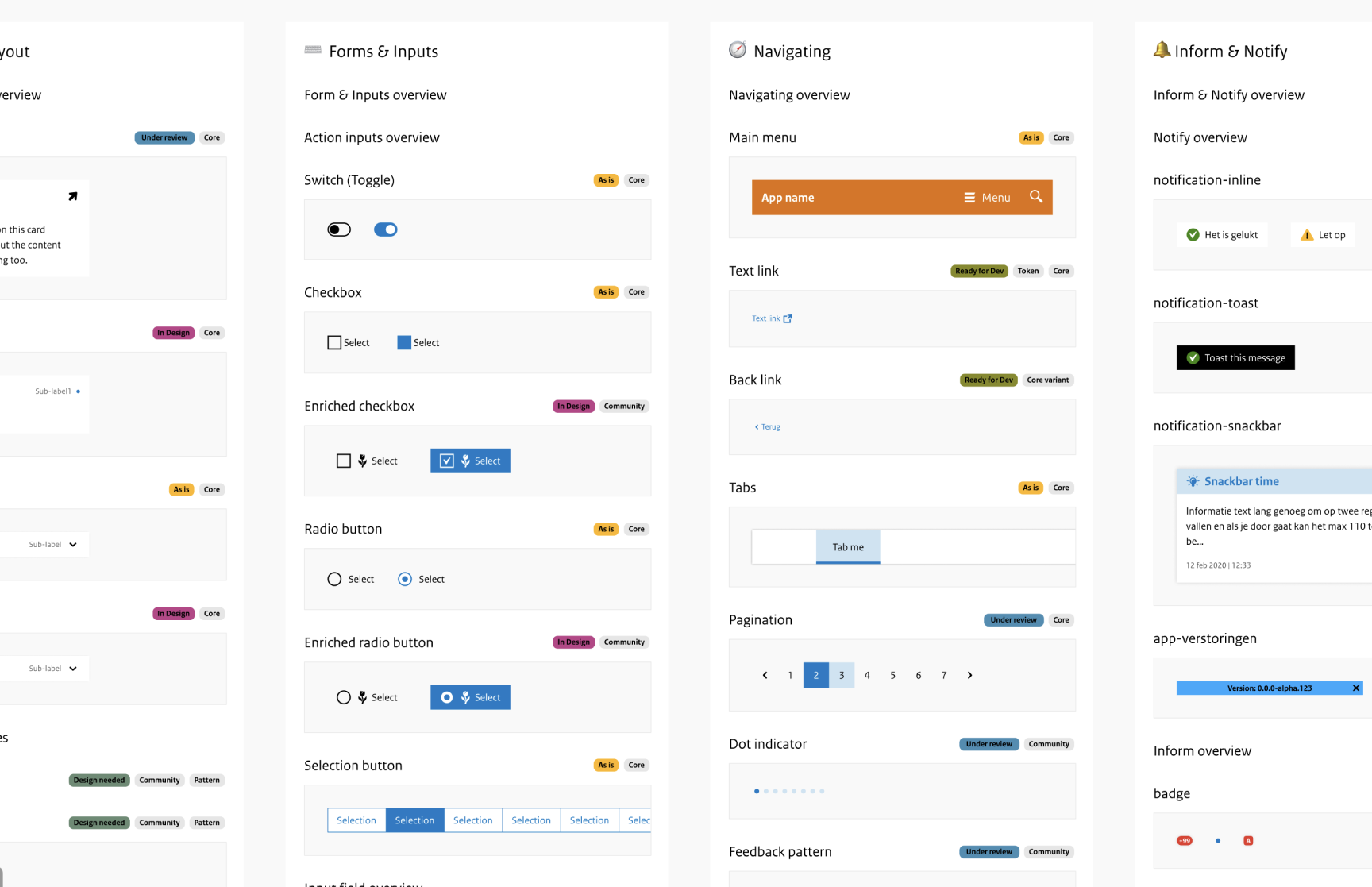
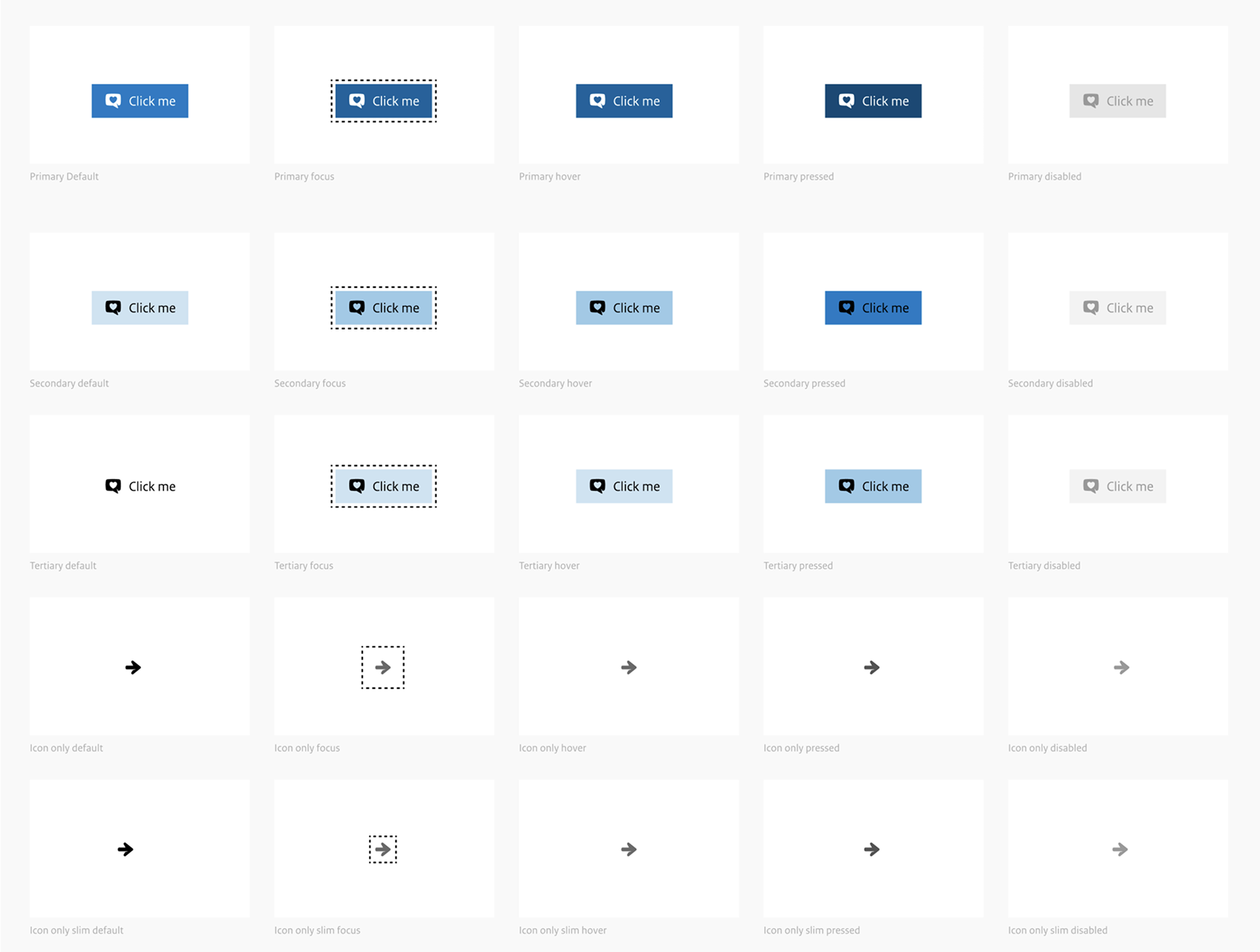
To provide users of the Design System with a clear overview of all components and patterns, including their current status, a well-organized index has been developed. This transparency is implemented not only at a high level but also at the component level, with every state of each component fully documented.
The Design System now provides a stable foundation for digital projects within the Ministry of Defence and evolves alongside the organization’s needs.
Also See Emerald Design System

Emerald is ABN AMRO’s design system, launched in 2017 to standardize the application landscape. Between 2020 and 2021, I was responsible for its maintenance and further development.